

They Really Do Feel You: Why This Topic Matters
If you’ve ever had your dog curl up beside you after a rough day or jump with joy when you laugh, you’ve witnessed something extraordinary. Dogs don’t just respond to our words. They pick up on how we feel. Science now confirms what pet parents have believed for generations: dogs can recognize and react to human emotions with surprising accuracy.
This ability is not just adorable. It’s an evolved survival skill shaped by thousands of years of companionship between humans and dogs. Understanding how your dog “reads” you isn’t just fascinating, it can improve your bond, reduce behavioral issues, and help both of you feel more emotionally balanced.
The Science Behind Your Dog’s Emotional Radar
Researchers have long wondered whether dogs truly understand how we feel or simply react to our behavior. Studies from the University of Lincoln, the University of Vienna, and the Royal Society show that dogs can match visual and vocal emotional cues across species. When shown photos of happy or angry human faces paired with corresponding sounds, dogs consistently matched them correctly, suggesting they perceive emotion as a meaningful signal rather than a simple stimulus.
Scientists using MRI imaging discovered that dogs’ brains process emotional tones much like ours. Positive sounds activate similar auditory regions in both human and canine brains. Another study published in Science revealed that dogs use both hemispheres of their brains to analyze our emotional cues, a level of processing previously thought to be uniquely human.
What’s remarkable is how early this bond forms. Even puppies raised with limited human interaction can distinguish a friendly tone from an angry one. Over centuries of domestication, dogs evolved to read our emotions because their survival, and happiness, depended on it. Recognizing fear, anger, or affection helped them adapt to life alongside us, creating one of the most successful partnerships in nature.
What Your Dog Sees, Hears, and Smells in You
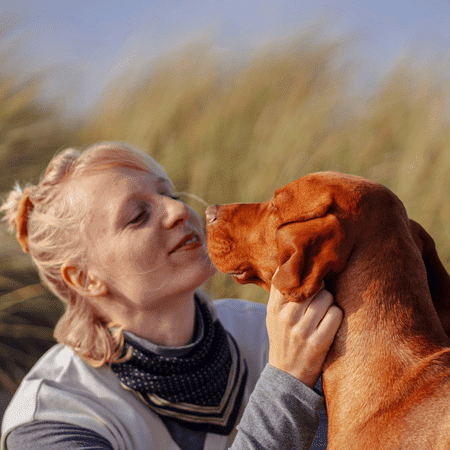
Dogs are emotional detectives. They don’t just rely on one sense. They gather emotional data from your face, voice, posture, and scent to understand your mood.
Sight: Dogs are experts at reading body language. They watch micro-expressions, small facial movements that reveal real emotion even when we try to hide it. A soft gaze and relaxed shoulders tell your dog everything is fine, while a furrowed brow or quick movements may signal tension.
Hearing: Tone of voice matters more than words. Studies show dogs can distinguish joy, sadness, and anger just from pitch and rhythm. A cheerful “Let’s go!” triggers excitement, while a sharp tone can cause hesitation or stress, even if your words are gentle.
Smell: Perhaps the most powerful emotional channel. Dogs can detect chemical changes in our sweat when we’re anxious, frightened, or happy. Researchers at the University of Naples found that dogs exposed to “fear sweat” from humans showed elevated heart rates and sought comfort from their owners. Your scent literally tells your dog how you feel.
Together, these senses form a complete picture. To your dog, emotions are multisensory experiences, seen, heard, and smelled in one moment.
The Emotional Feedback Loop Between Humans and Dogs
The bond works both ways. Just as dogs sense our emotions, we also respond to theirs. This mutual exchange creates what scientists call an “emotional feedback loop.” When you’re stressed, your dog’s cortisol levels rise too. When you’re calm, your dog’s heart rate steadies.
A 2019 study from the Max Planck Institute showed that dogs perform better in problem-solving tasks when their owners are happy or encouraging. Emotional tone influences their confidence. Similarly, owners who project tension often report behavioral issues like barking or restlessness, showing how closely emotions intertwine.
This connection goes beyond behavior. Research in Nature found synchronized brainwave patterns between dogs and their owners during positive interactions. It’s not a poetic metaphor, t’s measurable empathy. Dogs and humans literally tune in to one another.

How You Can Help Your Dog Read You Better
Your dog already reads your emotions, but you can help them do it more accurately. Small adjustments in how you communicate can strengthen understanding and trust.
- Keep your tone steady.
Speak calmly and consistently. Avoid sudden volume changes that might confuse or startle your dog. - Be aware of body language.
Dogs read your shoulders, gaze, and hands before your voice. If you approach slowly and stay relaxed, they’re more likely to mirror that calm. - Maintain routines.
Predictability lowers anxiety. Feeding, walking, and bedtime consistency help dogs feel secure and better interpret your mood changes. - Practice mindful touch.
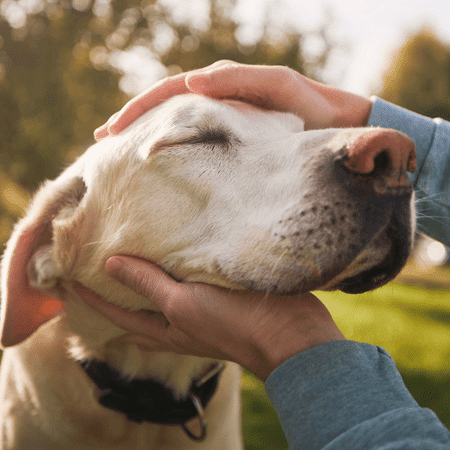
Physical contact communicates emotion faster than words. Gentle petting during calm moments teaches reassurance. - Train with empathy.
Positive reinforcement isn’t only about rewards, it’s emotional communication. Praise with warmth. Redirect frustration before it becomes tension your dog absorbs.
Over time, these actions create emotional fluency, helping your dog distinguish between your fleeting moods and true emotional states.
When Misreading Happens – And What to Do About It
Even the most intuitive dogs can get it wrong. A nervous laugh, crossed arms, or avoidance of eye contact can confuse them. Misreading is common when signals contradict, like a smile paired with a tense body.
Some misinterpretations stem from cultural or environmental differences. Research published in Nature Scientific Reports showed that people raised around dogs interpret canine emotions more accurately than those without early exposure. The same applies in reverse: dogs raised in different environments may read certain human gestures differently.
If your dog seems anxious or reactive without clear reason, check your own energy first. Are you tense, distracted, or stressed? Dogs absorb these cues. Slow your breathing, lower your tone, and create positive associations again through calm interaction.
Misreading doesn’t mean disconnection, it’s an opportunity to rebuild understanding.
Tips to Strengthen Emotional Understanding
Building an emotionally aware relationship with your dog isn’t about training perfection. It’s about presence.
Start each day with small interactions that reinforce trust, eye contact, gentle words, and unhurried touch. During play, match your dog’s energy and celebrate their joy. In quiet moments, let them rest near you, feeling your calm heartbeat.
Consistency builds clarity. Speak less, show more. Dogs live in the moment, and when you meet them there, they read you effortlessly.
The more you regulate your own emotions, the easier it is for your dog to interpret them. A calm home equals a confident dog.
Because They Feel What You Feel
Dogs may not understand human language fully, but they are fluent in emotion. Every wag, sigh, and lean against your leg reflects their empathy. The more we understand how they perceive us, the stronger our connection becomes.
Remember, your dog isn’t just reacting, they’re relating. When you manage stress, show affection, and communicate clearly, you help them feel safe and loved. That is the essence of companionship: two species living in sync, trusting each other through every mood.
Checklist for a deeper emotional bond:
- Maintain consistent tone and body language
- Reward calm and confidence
- Practice gentle daily touch and communication
- Manage your own stress to help your dog relax
- Observe and adjust to your dog’s responses with patience
Because they’re family, and family feels together.
FAQs
How do dogs sense when I’m sad?
Dogs pick up sadness through facial cues, posture, and scent changes. Lowered shoulders and slower movement often signal distress, prompting comforting behavior like licking or leaning against you.
Can dogs tell when I’m angry even if I stay quiet?
Yes. Your tone, facial tension, and scent shift subtly when you’re upset. Dogs quickly associate these signals with emotional states and may withdraw or appear cautious.
Why does my dog comfort me when I cry?
Crying alters both your voice and scent. Dogs interpret this as distress and respond instinctively with closeness or nuzzling, behaviors rooted in their pack instincts for reassurance.
Do some breeds understand emotions better than others?
While all dogs can recognize emotions, breeds developed for companionship, like retrievers, collies, and spaniels, tend to show higher emotional attunement because of selective breeding for empathy and responsiveness.
How can I tell if my dog is mirroring my stress?
Look for pacing, yawning, or restlessness during your tense moments. When your mood improves and your dog relaxes too, that’s emotional mirroring in action.
A Loving Reminder
The information provided at ThePetPicks.com is based on research and expertise, aiming to enhance the bond between you and your dog. However, it’s essential to remember that every dog is unique. Always consult with professionals, like veterinarians or trainers, for specific concerns or advice. At ThePetPicks.com, we believe in “Trust Born from Love,” and we encourage every pet parent to make informed decisions rooted in love and care.