


Reviewed by Dr. Joseph Menicucci, DVM, MBA. Veterinary Health Specialist and Diagnostic Expert.
If your dog has a red, moist, and painful sore that appeared suddenly, it is likely a Hot Spot (Acute Moist Dermatitis).
Hot spots are intense skin infections that spread rapidly. While you can (and should) treat the wound with topical care, the hot spot is often just a symptom of a hidden problem.
The “Itch-Scratch” Cycle
Your dog didn't just decide to scratch that spot. Something triggered the itch.
-
The Visible Problem: The open sore (Hot Spot).
-
The Hidden Cause: An intolerance to food, pollen, or household items.
You can heal the skin in a week, but if you don't find the trigger, the hot spots will come back.
Stop Guessing. Start Testing.
Identify the Root Cause Without the Vet Bill.
Elimination diets can take up to 3 months of trial and error. A Sensitivity & Intolerance Test cuts that time down to days. By analyzing a small hair sample, you can pinpoint exactly what is irritating your dog's system, whether it's Chicken, Beef, Grass, or Dust.
Top Rated Sensitivity & Intolerance Test Kits
Which Test Is Right For Your Dog?
Most Popular

- 1000+ Intolerances & Imbalances Tested
- Nutritional Insights Plus AI Checker
- Results in 2 Days From Sample Receive
- 10-15 Hair Samples

- 1,100-item Pet Food Sensitivity Test
- 100% Money-back Guarantee Offered
- Results in 3-5 Days From Test Arrival
- 5-10 Hair Samples
The Fastest Relief: UCARI Intolerance Test
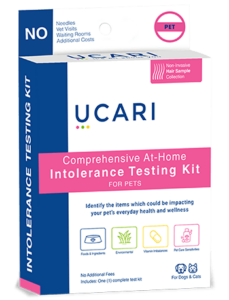
“My dog is miserable and I need answers fast.”
If your priority is speed, UCARI is the clear winner. They focus on the most common triggers (Food, Environmental, and Pet Care products) and deliver actionable color-coded results just 48 hours after receiving your sample.
-
Why it helps Hot Spots: Quickly identifies if your current dog food or shampoo is the hidden culprit.
-
What you get: A personalized dashboard showing exactly what to avoid.
-
Support: Free wellness coach consultation included.
The Comprehensive Check: My Pet Sensitivity Ultimate Test
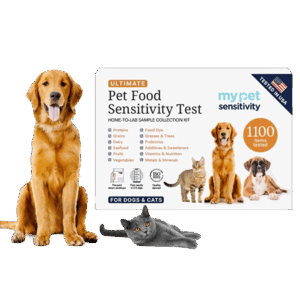
“We've tried everything and nothing works.”
If your dog has recurring hot spots combined with digestive issues (gas, loose stool) or lethargy, you need the My Pet Sensitivity Ultimate Test. It goes beyond food to test for heavy metals, mineral imbalances, and nutritional deficiencies that compromise skin health.
-
Why it helps Hot Spots: Skin health starts in the gut. This test checks for nutritional imbalances that weaken the skin barrier.
-
What you get: A deep report covering 460+ foods and environmental factors + toxin analysis.
Understanding Hot Spots: A Deeper Look
Spotting Hot Spots on Dogs
Hot spots are noticeable as patches where fur is missing, revealing either red, oozy skin or darker, crusty areas. Red, moist spots are usually new, while darker ones may be healing. Dogs can have multiple hot spots at once.
What Causes Hot Spots?
Several factors can trigger the development of hot spots in dogs. Understanding these triggers is crucial for both treatment and prevention:
-
Allergies: Dogs can have allergies just like humans. These can be food ingredients (like chicken, beef, or grains), environmental factors (such as pollen or mold), or seasonal changes that introduce new allergens into their environment.
-
Parasites: Fleas, mites, and ticks are not just annoying for your dog; they're also common culprits behind allergic reactions and intense itching. This constant irritation can break the skin's surface, making it a perfect entry point for bacteria and leading to hot spots.
-
Moisture: Dogs love to swim, and many live in humid climates, but staying wet can predispose them to hot spots. Moisture trapped in the fur creates an ideal breeding ground for bacteria and yeast, leading to skin infections if not dried properly.
-
Underlying Skin Conditions: Some dogs are more prone to skin issues like seborrhea (a condition causing flaky skin or greasiness) or dermatitis (inflammation of the skin). These conditions weaken the skin's defenses, making it easier for hot spots to develop when the dog scratches or licks the irritated areas.
-
Poor Grooming: Regular grooming is essential for all dogs, especially those with long or dense coats. Neglect can lead to mats and tangles that trap moisture, dirt, and pathogens against the skin, causing irritation and infection. Hot spots often form under these neglected areas, hidden until they become a significant issue.
-
Stress and Boredom: Behavioral issues stemming from stress, anxiety, or boredom can lead dogs to lick, chew, or scratch themselves compulsively. This behavior not only reflects emotional distress but can also cause physical harm in the form of hot spots, especially if the dog targets the same area repeatedly.
Find Fast Relief for Your Dog's Hot Spots
For treating your dog's hot spots effectively, Chewy offers a variety of vet-recommended products to soothe irritation and promote healing. From mild antiseptics to gentle topical treatments and protective Elizabethan collars, find everything you need to care for your furry friend's skin. Visit Chewy's hot spot and itch relief section for a selection of trusted products designed to provide your dog with fast relief.
Understanding the Healing Process of Dog Hot Spots
Hot spots heal in three key stages once proper treatment is applied:
- Initial Healing (3-7 Days): Redness and ooziness reduce, revealing a crusty layer of skin.
- Mid-Stage Healing (~5 Days): Crusts and scabs start to fall off, unveiling pink or darkened skin underneath.
- Final Healing (1 Month+): Skin color normalizes and fur begins to regrow, fully covering the area over time.
If your dog's hot spots don't improve or worsen after initial treatment, consulting your vet is crucial for further guidance.
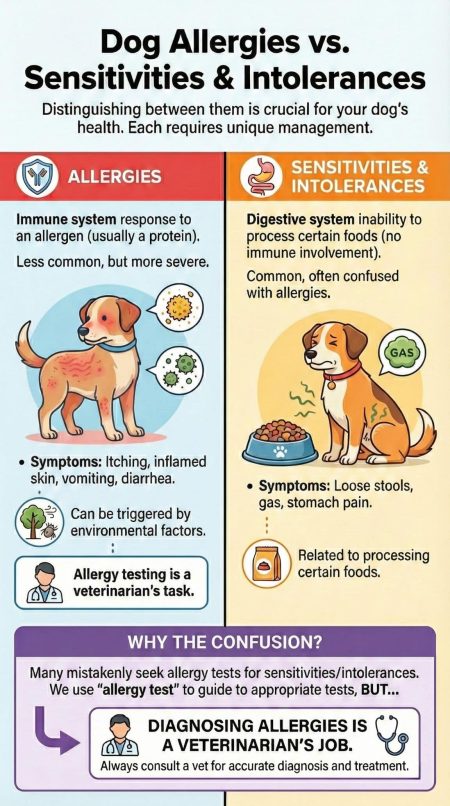
Allergies vs. Sensitivities and Intolerances
FAQs
What exactly are dog hot spots?
Hot spots are painful, inflamed, and infected areas on a dog's skin that worsen from excessive licking, biting, or scratching.
Can hot spots clear up on their own?
Without intervention, hot spots are likely to worsen. Prompt treatment is necessary to heal the area and address the root cause.
Are certain dogs more prone to hot spots?
Yes, dogs with dense undercoats, those living in humid environments, or dogs with existing skin conditions are more susceptible.
How can I prevent my dog from getting hot spots?
Regular grooming, keeping your dog flea-free, ensuring a healthy diet, and using sensitivity and intolerance tests to avoid triggers can significantly reduce the risk of hot spots.
Are hot spots contagious?
No, they are not contagious to other pets or humans but indicate an underlying health issue that needs attention.
How accurate are sensitivity and intolerance test kits?
These test kits can be very accurate in identifying specific triggers affecting your dog’s health, helping you to tailor their environment and diet accordingly.
How does a dog allergy test work?
These tests typically use bioresonance technology or other methods to analyze a sample (hair or saliva) from your dog. The sample is compared against a database of various substances to identify potential intolerances or sensitivities.
What can a dog allergy test detect?
Dog allergy tests can detect sensitivities and intolerances to a wide range of substances, including various types of food ingredients, environmental factors, and potentially harmful materials in skincare products.
Why should I consider an allergy test for my dog?
An allergy test can be helpful if your dog is experiencing symptoms like hot spots, itchy skin, digestive disturbances, vomiting, or flatulence, and you are unable to determine the cause. It can also be used proactively to understand potential intolerances your dog might have.
Is the test suitable for all dogs?
Yes, these tests are generally suitable for all breeds and sizes of dogs. Some tests are also suitable for cats.