
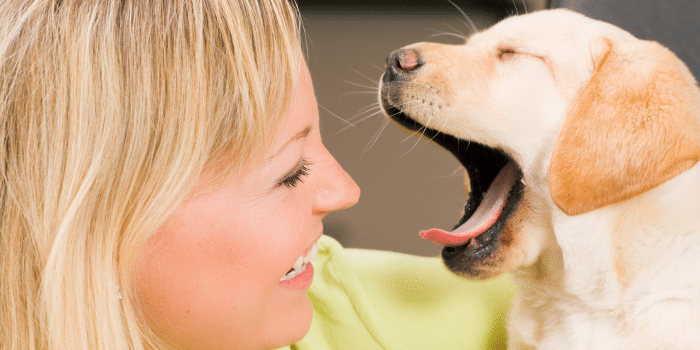
When a Yawn Is Not Just a Yawn
Most of us smile when we see a dog yawn. It looks familiar, harmless, and often adorable. We tend to assume it means one simple thing, our dog is tired. But dogs use yawning as part of a much richer communication system, one that speaks volumes if you know how to listen.
Yawning is one of the most misunderstood dog behaviors. It can signal stress, discomfort, confusion, or an attempt to calm themselves or others. In many cases, it is a quiet request for space, reassurance, or understanding.
At ThePetPicks.com, we believe that understanding your dog’s signals strengthens the bond you share. Because they are family, learning their language helps us respond with empathy instead of guesswork. Let’s take a closer look at what dog yawns really mean, when to pay attention, and how to respond in a way that builds trust.
Why Dogs Yawn, The Big Picture
Yawning in dogs serves several purposes, and only one of them is related to sleep. While puppies and adult dogs yawn when they are tired or waking up, research and behavior studies show that yawning often appears in moments of emotional tension or social interaction.
Dogs do not rely on words. They communicate through body language, facial expressions, posture, and subtle signals known as calming signals. Yawning is one of the most common calming signals dogs use, both toward humans and other dogs.
Understanding yawning starts with context. The same yawn can mean very different things depending on what is happening around your dog.
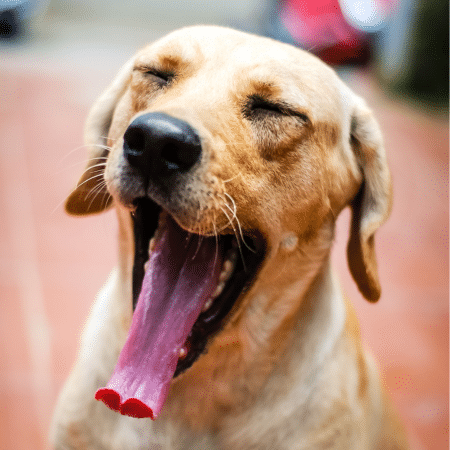
Yawning as a Calming Signal, A Dog’s Way of Saying “Let’s Keep This Peaceful”
One of the most important discoveries in canine behavior came from observing dogs in social settings. Trainers and behaviorists noticed that dogs often yawn during moments of tension, not because they are tired, but because they are trying to reduce stress.
A calming signal is a behavior dogs use to soothe themselves or to signal peaceful intentions to others. Yawning fits squarely into this category.
You might see your dog yawn in situations like:
- When a stranger leans over them
- During a training session that feels confusing
- When another dog approaches too quickly
- When voices are raised in the room
In these moments, the yawn is not random. It is your dog saying, “I am feeling uncomfortable, but I want things to stay calm.”
This is especially common in dogs that are sensitive, young, or still learning how to navigate the world.
Stress Yawns vs. Sleepy Yawns, How to Tell the Difference
Not all yawns are created equal. Learning to spot the difference between a tired yawn and a stress-related yawn can help you respond appropriately.
A sleepy yawn usually appears:
- Before bedtime
- After waking up
- When your dog is relaxed and settled
- Alongside loose body language and soft eyes
A stress yawn often shows up:
- In new or busy environments
- During vet visits or grooming
- When being hugged or restrained
- When commands come too fast or feel unclear
Stress yawns are often paired with other signs such as lip licking, turning the head away, lowered ears, stiff posture, or avoidance behaviors. When you notice these signals together, it is a strong indication that your dog needs space or reassurance.
Why Dogs Yawn During Training Sessions
Many pet parents are surprised to see yawning during training. After all, training is supposed to be positive and engaging.
Yawning during training does not mean your dog is bored or refusing to cooperate. In most cases, it means the dog is processing information or feeling mild stress.
This can happen when:
- Sessions are too long
- Rewards are unclear
- The environment is distracting
- Expectations change too quickly
Yawning here acts as a pressure release. It helps the dog self-regulate and cope with the situation.
If you notice frequent yawning during training, it can help to slow down, simplify cues, or take a short break. Clear communication builds confidence, and confidence reduces stress signals.
Social Yawning, Dogs Communicating With Dogs and Humans
Dogs yawn not only for themselves but also for others. In social settings, yawning can serve as a message to diffuse tension.
When two dogs meet, one might yawn to show non-threatening intentions. This can prevent escalation and help both dogs feel safer.
Interestingly, dogs also direct calming yawns toward humans. A dog might yawn when their owner is upset, stressed, or speaking loudly. In these moments, the yawn can be read as an attempt to calm the situation, almost like saying, “It’s okay, let’s relax.”
This is one of the many ways dogs show emotional awareness and sensitivity to human moods.
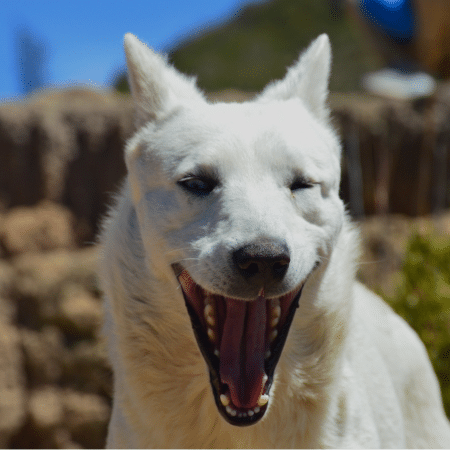
Yawning at the Vet or Groomer, What Your Dog Is Coping With
Vet visits and grooming appointments are common places where dogs yawn frequently. These environments combine unfamiliar smells, handling, and loss of control, all of which can trigger stress.
Yawning here is a coping mechanism. It helps the dog manage anxiety and communicate discomfort without resorting to more obvious reactions like growling or snapping.
Recognizing this early allows pet parents and professionals to adjust handling techniques, offer breaks, and use positive reinforcement to make these experiences less overwhelming.
Puppies and Yawning, Learning the Language Early
Puppies yawn often, sometimes more than adult dogs. Part of this is related to sleep cycles, but much of it is tied to learning.
Young dogs are constantly processing new information. Yawning helps them regulate emotions during play, training, and social interactions.
It is also one of the first calming signals puppies use. Paying attention to these early signals helps prevent overstimulation and supports healthy emotional development.
When Yawning Can Signal Something More
While yawning is usually behavioral, excessive yawning combined with other symptoms can sometimes point to health concerns.
If yawning appears alongside:
- Lethargy
- Changes in appetite
- Excessive drooling
- Restlessness or pacing
It may be worth consulting a veterinarian to rule out discomfort or medical issues.
As always, behavior should be viewed holistically. One signal alone rarely tells the full story.
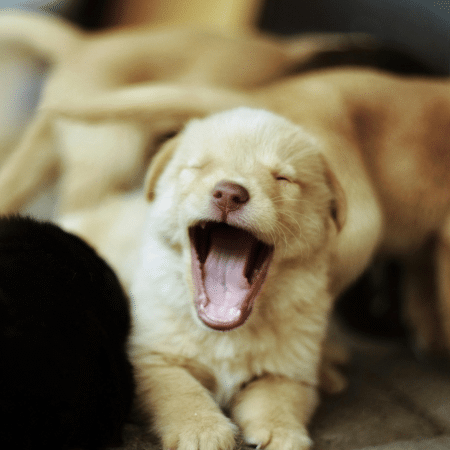
How to Respond When Your Dog Yawns
The most important thing you can do when you notice yawning is pause and observe.
Ask yourself:
- What is happening right now?
- Is my dog overwhelmed, confused, or uncomfortable?
- Are there other calming signals present?
Often, the best response is to reduce pressure. Lower your voice, give space, slow interactions, or change the environment if possible.
Responding with empathy reinforces trust. Your dog learns that communication works, and that their subtle signals are respected.
Common Myths About Dog Yawning
One common misconception is that yawning always means boredom or disobedience. In reality, yawning is rarely about defiance.
Another myth is that dogs yawn to manipulate humans. Dogs do not use yawning strategically to get treats or attention. It is an instinctive response rooted in emotion and communication.
Understanding these myths helps prevent misinterpretation and frustration on both sides.
Building a Deeper Bond Through Understanding
Dogs are constantly communicating with us. The challenge is learning how to listen.
Yawning is just one piece of a much larger conversation, but it is an important one. When we understand what our dogs are telling us, we can meet their needs more accurately and compassionately.
At ThePetPicks.com, we believe trust is built through understanding. The more fluent we become in our dogs’ language, the stronger and calmer our shared lives become.
Final Takeaway, Listening to the Quiet Signals
Dog yawns are not random or meaningless. They are part of a sophisticated system dogs use to navigate their world.
By paying attention to context, body language, and frequency, we can tell whether a yawn means rest, stress, empathy, or a request for calm.
A Simple Checklist to Remember
- Notice the situation surrounding the yawn
- Look for accompanying body language
- Reduce pressure when stress signals appear
- Respond with patience and reassurance
- Use understanding to strengthen trust
FAQs
Why does my dog yawn when I talk to them?
Dogs may yawn when spoken to in a firm or excited tone. It often signals mild stress or an attempt to calm the interaction, especially if the dog is unsure what is being asked.
Is yawning a sign my dog is anxious?
Yawning can be a sign of anxiety, but it depends on context. When paired with other stress signals, it often indicates emotional discomfort rather than tiredness.
Do dogs yawn when they are bored?
Yawning is rarely about boredom alone. It is more commonly linked to emotional regulation, stress, or social communication.
Why does my dog yawn around other dogs?
Yawning around other dogs is often a calming signal. It helps diffuse tension and communicate peaceful intentions during social interactions.
Should I be worried if my dog yawns a lot?
Occasional yawning is normal. If yawning becomes excessive and is paired with behavioral or physical changes, it is a good idea to consult a veterinarian or behavior professional.
A Loving Reminder
The information provided at ThePetPicks.com is based on research and expertise, aiming to enhance the bond between you and your dog. However, it’s essential to remember that every dog is unique. Always consult with professionals, like veterinarians or trainers, for specific concerns or advice. At ThePetPicks.com, we believe in “Trust Born from Love,” and we encourage every pet parent to make informed decisions rooted in love and care.